The Veil as Playground: Ancient Roots of Spirit Communication
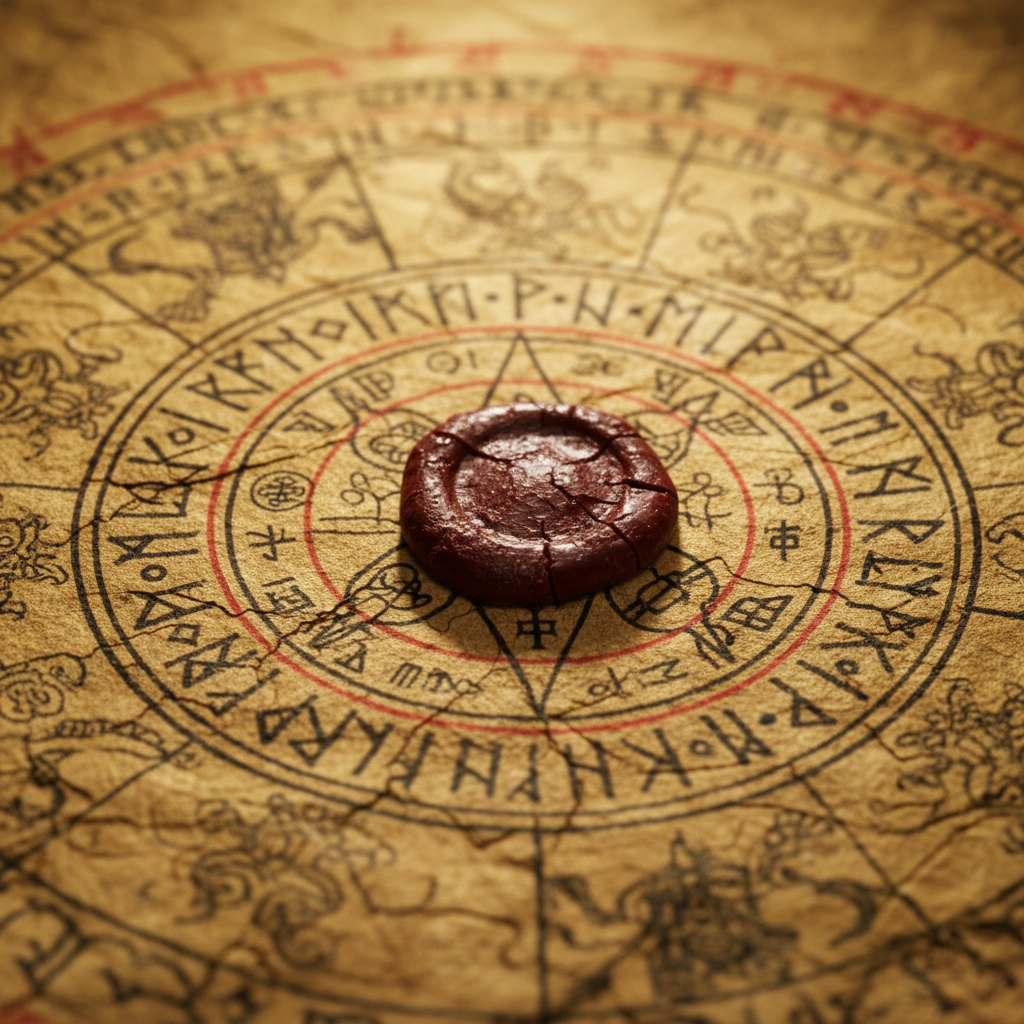
The act of piercing the veil between the living and the dead is not a modern invention born of teenage sleepovers. It is a primal human impulse, woven into the very fabric of our earliest spiritual practices. Long before the first planchette slid across a lettered board, humanity sought council from the other side through complex, solemn rituals. These were not games; they were acts of necromancy and divination, cornerstones of religious and political power. In ancient Greece, Oracles like the one at Delphi served as conduits, interpreting the cryptic messages of gods and spirits to guide the fates of empires. In Rome, the augurs read omens in the flight of birds, a form of communication with the divine. These practices were rooted in a worldview where the spirit world was not a separate, inaccessible plane, but an active participant in daily life. Access was restricted, mediated by a trained priest or shaman who understood the immense risks involved. The primary purpose was not entertainment but knowledge: foretelling the future, seeking guidance for war, or understanding divine will. This foundational history is crucial for understanding what we now call spirit summoning games; for an overview of how these rituals have persisted, see The Global Encyclopedia of Urban Legends. The shift from sacred rite to parlor game marks a profound change in humanity's relationship with the unknown.
The Spiritualist Wave: When the Ouija Board Conquered America
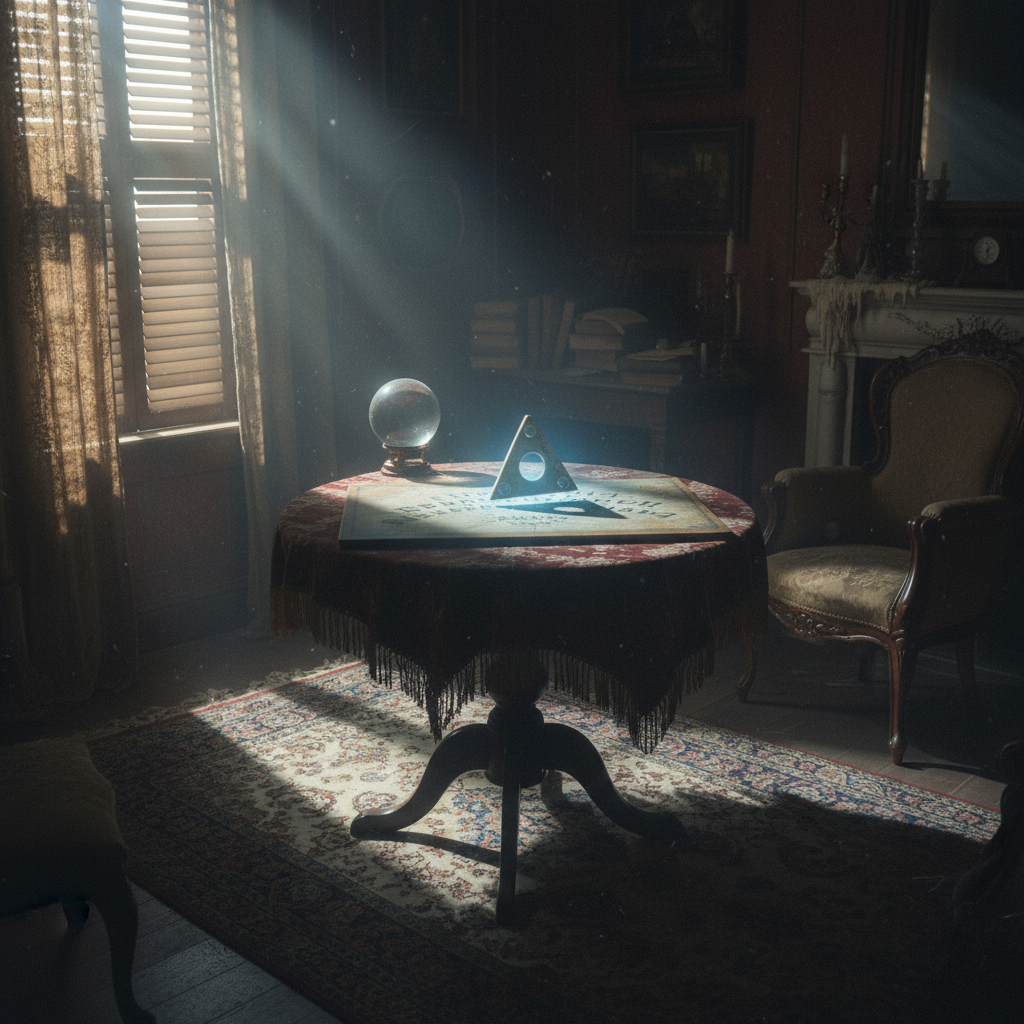
The 19th century was a crucible of profound loss and rapid technological change. The American Civil War left hundreds of thousands of families shattered, creating a collective national grief and a desperate longing for reassurance that their loved ones existed somewhere beyond the grave. This fertile ground of sorrow gave rise to the Spiritualist movement, which posited that consciousness survived death and communication with spirits was possible. Suddenly, the séance moved from the secretive chamber of the occultist into the middle-class parlor. Initially, communication was chaotic, relying on table-tipping, rapping sounds, and mediums. The invention of the "talking board" in the late 1880s, later patented and marketed as the Ouija board by Charles Kennard and Elijah Bond in 1890, was a revolutionary act of packaging. It democratized spirit communication, removing the need for a specialized medium. Anyone could buy a board and, with a few friends, attempt to contact the beyond. The Ouija board was not initially seen as a toy, but as a legitimate spiritual tool, a telephone to the other side. Its immense popularity—at times outselling the game of Monopoly—was direct evidence of a society grappling with mortality and seeking tangible proof of an afterlife. This commercialization transformed a sacred act into a household commodity, setting the stage for its eventual perception as a game—and a dangerous one at that.
The Cultural Mirror: Kokkuri-san and Other Global Variants
The impulse to contact spirits through a game-like ritual is not an exclusively Western phenomenon. Across the Pacific, Japan has a parallel tradition known as Kokkuri-san (狐狗狸さん). While it superficially resembles the Ouija board, its cultural and folkloric underpinnings are distinctly different. The game is typically played by schoolchildren using a handmade board with hiragana characters, and a coin is used as the planchette. The summoned spirit, Kokkuri-san, is not a deceased human but a syncretic entity—a trickster spirit combining the characteristics of a fox (kitsune), a dog (inu), and a raccoon dog (tanuki). This makes the interaction less about grief and more about curiosity and playful danger. Unlike the often demonic associations of the Ouija board in Western horror, Kokkuri-san is generally considered a lower-level, mischievous spirit that must be properly dismissed at the end of the game to avoid being haunted. This highlights a key difference: Western games often tap into a Judeo-Christian fear of demonic possession, while Eastern variants engage with a Shinto-Buddhist animistic worldview populated by a vast array of spirits (yōkai), not all of whom are inherently malevolent. Similarly, the childhood ritual of Bloody Mary, found in various forms globally, uses a different portal—the mirror. These mirror rituals in different cultures tap into the uncanny nature of reflections and the liminal space a mirror represents, serving as a rite of passage for testing bravery rather than seeking specific information.
An Evolving Interface: From Wood and Cardboard to Pixels and Code
The evolution of spirit summoning games is a history of their interface—the tool that mediates the conversation. What began with animal entrails and smoke patterns solidified into the wooden planchette and cardboard of the Ouija board. The 20th and 21st centuries have seen this interface dissolve into the digital ether. From early text-based computer programs that mimicked Ouija sessions to smartphone apps that use device sensors to generate 'spirit' messages, the ritual has adapted to new technologies. This transition is documented in the rise of internet-native rituals, or Creepypastas, which often provide step-by-step instructions for paranormal games like the 'Three Kings Ritual' or hitori kakurenbo instructions safety. The core psychological drivers remain the same: the desire to touch the unknown, test one's courage, and experience something beyond the mundane. These modern iterations answer the question of why teens play paranormal games in the digital age—it offers a controlled, yet thrilling, brush with the forbidden. The following table charts this technological and psychological progression.
| Era | Tools & Interface | Primary Purpose | Psychological Locus |
|---|---|---|---|
| Ancient Past | Natural elements (fire, water, animal entrails), Oracles, Scrying Pools. | Divination, Statecraft, Religious Guidance. | External & Divine: Power lies with gods or nature spirits, interpreted by a priest. |
| Victorian to Modern Era | Talking Boards (Ouija), Planchettes, Pendulums, Automatic Writing. | Personal Grief Counseling, Entertainment, Thrill-Seeking. | External & Personal: Power lies with specific deceased spirits, channeled by anyone. The ideomotor effect is a scientific counter-explanation. |
| Digital Future | VR/AR environments, AI-driven chat bots, Biofeedback sensors, Neural interfaces. | Immersive Entertainment, Simulated Spirituality, Algorithmic Divination. | Internal & Algorithmic: Power lies within the user's subconscious or the predictive algorithm, blurring the line between self and simulation. |
The Ghost in the Machine: The Future of Digital Seances
The trajectory of spirit summoning games points toward an increasingly immersive and technologically sophisticated future. The next evolution will not be a physical board but a virtual space. Imagine a Virtual Reality (VR) séance where the environment responds to the user's biometric data—heart rate, galvanic skin response—to heighten the sense of a 'presence' in the room. Artificial Intelligence could play the role of the spirit, drawing on vast datasets to generate responses that are uncannily personal and coherent, far beyond the simple letter-by-letter spelling of a planchette. This AI 'spirit' could access a user's digital footprint to craft messages that seem impossible for an outside entity to know, creating a powerful, personalized illusion. This future raises profound questions. When an AI can perfectly simulate a lost loved one based on their emails, social media, and video recordings, is it a tool for healing or a sophisticated form of psychological manipulation? The locus of the 'spirit' will have completed its journey from an external god, to a deceased human soul, and finally to a ghost in the machine—an algorithm reflecting our own data back at us. The game will no longer be about contacting the dead, but about confronting an unnervingly accurate reflection of the living, powered by code. The fundamental human need to connect with something beyond ourselves will persist, but the mirror we use to do it will become a screen, and the spirit in the reflection may just be a very clever program.