
White Van Abduction Rumors: How Social Media Amplifies Baseless Fear
The Ghost in the Machine: Why We Fear the White Van
Have you ever been warned that, in the United States, you must stay away from white vans, or you might be kidnapped? It’s a question I’ve heard repeated more times than I can count, a persistent whisper that clings to the edges of our collective consciousness. This isn't just a regional tale; it's a deeply rooted fear that acts as a modern moral panic, evolving with every shared post.
What’s unsettling is how quickly these warnings spread, often without any real basis. This is actually a widely circulated, but baseless rumor. I’ve seen firsthand how these stories take on a life of their own, gaining momentum through sheer repetition. And how widespread is this rumor? So much so that even the mayor of Baltimore once came forward to urge everyone to stay away from white vans, only to be refuted by local police. It’s a stark example of how deeply ingrained an unfounded fear can become, even reaching official channels before the facts catch up. When a public figure amplifies a rumor, it lends it an authority it doesn't deserve, making it even harder to contain.
Decoding the Van: Why This Specific Vehicle?
It makes you wonder, doesn't it? Have you ever wondered why it's white vans? And not black ones or other types of vehicles? The psychology behind it is fascinatingly mundane. Vans are actually easy to understand; these vehicles have a large space, which easily makes people imagine things, and many commercial vans have no rear or side windows, perfectly fitting people's imagination of fear. They're anonymous, practical, and designed for utility, not transparency. As for white? I think that's just because it's very common. It’s the default, the background noise of the urban and suburban landscape, making it both unremarkable and, ironically, easy to single out when fear takes hold. This combination of generic ubiquity and inherent capacity for concealment creates a perfect storm for an urban myth.
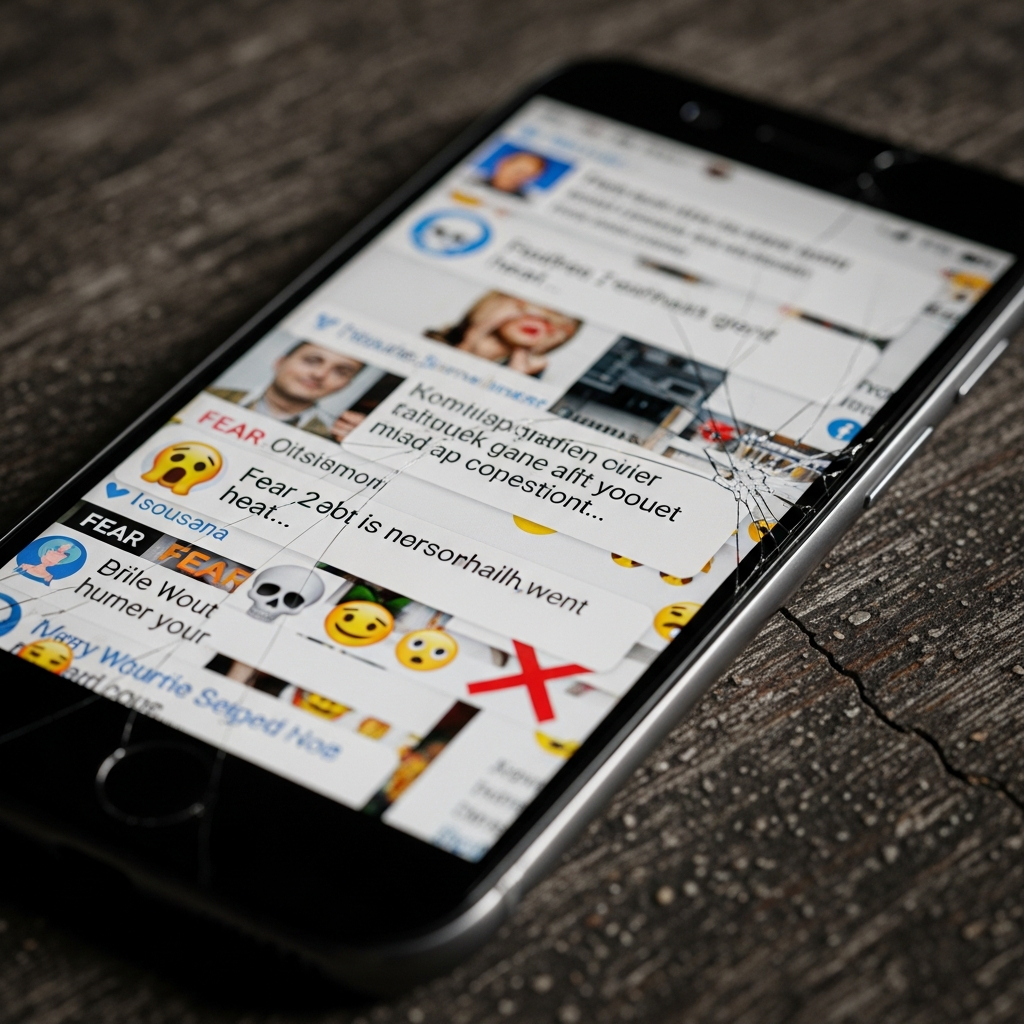
The ease with which these rumors are shared now, primarily through social media platforms like Facebook, is a significant shift from how urban legends used to spread. Remember the days of chain letters or whispered warnings at school? Now, a single post can reach millions. I recall seeing a frantic message about suspicious activity that spread like wildfire across my local community group, prompting dozens of concerned comments and shares, despite lacking any verifiable source. Social media algorithms, designed to maximize engagement, often prioritize emotionally charged content, regardless of its accuracy. This creates a feedback loop where fear begets more fear, with misinformation amplified exponentially. It's not just local; these rumors echo across continents, from the US to the UK, and beyond, as reported by outlets like Business Insider and Fox 5 San Diego.
From Whispers to Hashtags: The Evolution of Fear
Comparing how these scares spread then versus now is like night and day. Traditional rumors relied on personal networks and word of mouth, sometimes local news. Today, it’s instantaneous and global. The sheer speed and anonymity of online sharing mean that by the time fact-checkers like Snopes can even begin to address a claim, it has already been seen by hundreds of thousands, if not millions. This unchecked rapid dissemination makes digital folklore a beast of its own, far removed from old campfire tales.
| Aspect | Traditional Rumor Spread | Social Media Rumor Spread |
|---|---|---|
| Speed | Slow, gradual; person-to-person | Instantaneous, viral, global |
| Reach | Limited to local communities/networks | Global, transcends geographical borders |
| Verification | Often relies on trust in source, harder to verify widely | Difficult due to volume, anonymity; algorithms prioritize engagement over accuracy |
| Impact | Localized anxiety, limited real-world harm | Widespread panic, real-world harassment/violence against innocent people (e.g., delivery drivers) |
| Longevity | Fades as interest wanes or debunked locally | Persists in archives, resurfaces easily, mutates |
This digital amplification has real consequences. I've known delivery drivers and tradespeople who use white vans for their livelihood, only to face suspicious stares or even aggressive confrontations because of these unfounded rumors. Imagine being judged, or even threatened, just because your work vehicle fits a fear narrative. It's a clear example of how widespread, unfounded fear can morph into something akin to mob mentality, causing genuine harm to innocent people.
Genuine Vigilance vs. Distorted Threats
It's easy to get caught up in these viral fears, but we need to step back and apply critical thinking. Although white vans are just a rumor, there is currently no evidence to show that white vans have a higher crime rate. I’ve gone through enough data and seen enough real-world situations to understand that focusing on a specific, largely fictional threat actually distracts from genuine safety practices. But instead, when you're out and about, you should inherently be careful of any vehicle that looks suspicious or approaches you in a strange way. It's about recognizing truly unusual behavior, not just a paint job.
The world, regrettably, does have its dangers. Due to the impact of economic, refugee, and other asylum policies, crime rates are rising in many parts of the world recently. This isn't about fear-mongering; it’s about acknowledging observable trends and adapting our vigilance accordingly. Staying vigilant at all times, instead of focusing your valuable attention on those false rumors, is the best choice to protect yourself. It means being aware of your surroundings, trusting your instincts when something feels off, and not letting generalized anxieties about a specific, mythical vehicle blind you to actual risks. We need to be savvy about our safety, not just reactive to the latest trending scare.
The Future of Fear: AI, Deepfakes, and Digital Folklore
Looking ahead, the landscape of urban legends and public fears is only going to become more complex. With advancements in AI and deepfake technology, the lines between what’s real and what’s fabricated will blur even further. Imagine a future where an abduction rumor isn't just text, but a convincing AI-generated video. The challenges platforms and users face in combating rapidly spreading, unfounded fears will intensify. We're already seeing hints of this in how digital folklore forms, and how quickly misinformation can become 'lost media' in a sea of new content, only to resurface later.
The antidote to this escalating digital panic isn't to disengage, but to engage smarter. We have to cultivate a collective skepticism, learn to identify the hallmarks of misinformation, and hold platforms accountable for the content they amplify. This means questioning sources, cross-referencing information, and refusing to share content that triggers an immediate, unverified emotional response. It’s about understanding that while the white van rumor is a relatively simple phenomenon, the next wave of misinformation will be far more insidious, requiring a more sophisticated approach to discernment. Just as we differentiate between actual threats and fantastical creatures like cryptids, we must learn to distinguish real dangers from digitally enhanced fear-mongering.