The Real-World Echoes: Unpacking the Influence of Slender Man
When Digital Fiction Became Tangible Dread
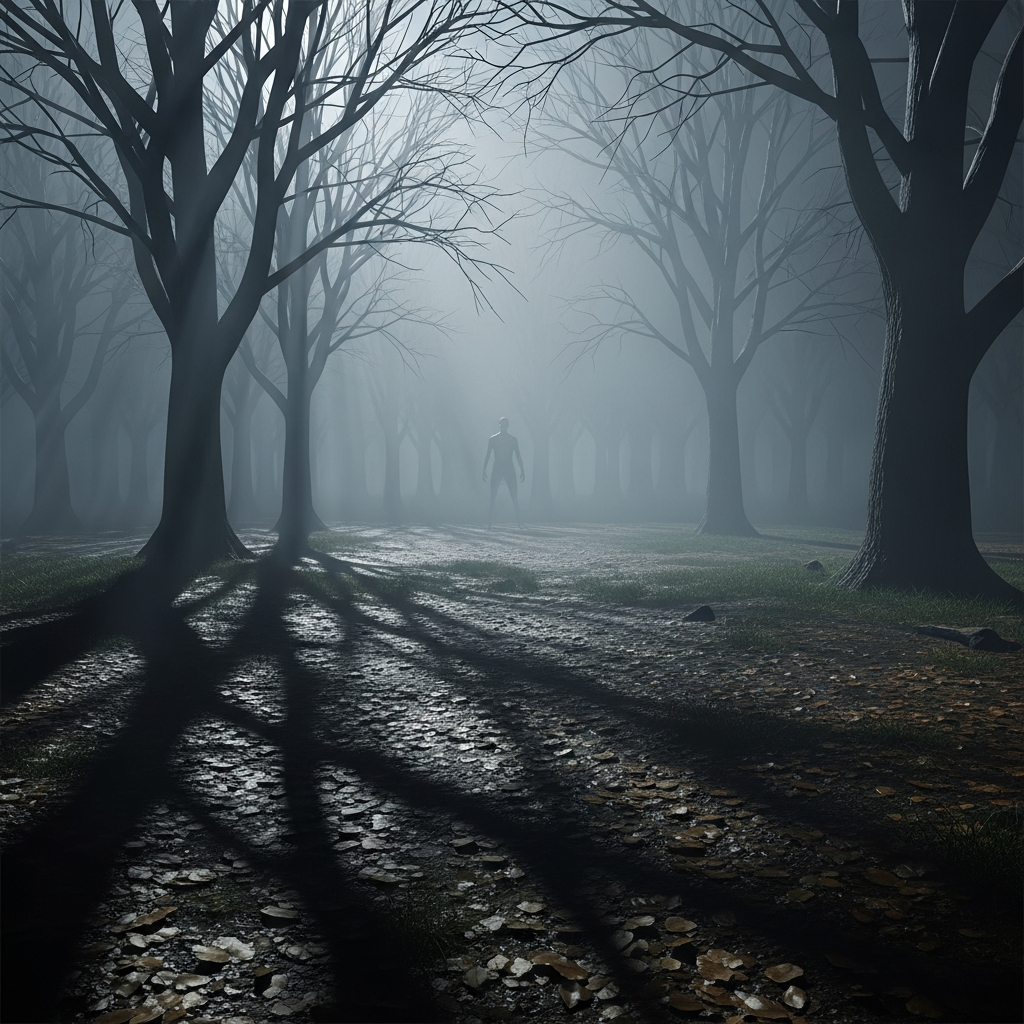
The world was collectively stunned in 2014 when a Slender Man stabbing incident occurred in Wisconsin, USA, where two female students attacked another female student, claiming that this was necessary to gain Slender Man’s protection and recognition. This wasn’t just a local news story; it was a deeply unsettling event that brought the often-abstract world of internet folklore crashing into brutal reality. It forced many of us to confront the very real, sometimes terrifying, influence of digital myths. To truly understand the gravity of that moment, it helps to look back at the origins of this character, an entity born from an online forum and amplified by collective imagination.
Beyond the Headlines: A Deeper Look at Vulnerability
What happened in Wisconsin wasn’t just a crime; it was a stark reminder of how easily fantasy can warp perception for some. The sheer brutality, the ages of those involved, and the stated motivation—all of it felt utterly surreal. People struggled to comprehend how a fictional character could inspire such a violent act. But as the investigations continued, a more complex and heartbreaking picture emerged. Later we learned that those two female students were diagnosed with mental illnesses. This added another layer of complexity to an already devastating situation, shifting the conversation from pure malice to the profound struggles some individuals face. It became painfully clear that while Slender Man was a construct, the vulnerabilities he seemed to exploit were very much real, echoing concerns raised by sources like Psychology Today.
The Ripple Effect: When Creators Are Called to Account
The incident’s reverberations extended far beyond the immediate families and community. It triggered discussions about internet safety, the vulnerability of young minds, and the responsibility of content creators. Academics, like those at the University of Chicago, started weighing in on the murderous implications of internet fiction. The impact of this incident was far-reaching, forcing even Slender Man’s creator to come out and make a statement. It was a clear attempt to disassociate the fictional entity from the horrific real-world violence, to re-emphasize that this was a story, not a directive. This kind of interaction between creator and creation, especially in the wake of such a tragedy, is rare and truly highlights the unique pressures of the digital age. It made many of us, myself included, question the boundaries of internet horror and its unforeseen consequences.
The Psychology of Belief: What Gives Shadows Weight?
This whole phenomenon, from the creation of a digital boogeyman to its alleged influence on real-world actions, brings us to the fascinating concept of the ‘Tulpa Effect’—the idea that a fictional entity can gain a quasi-real existence through intense collective belief. It’s not about magic, but about psychology; how shared ideas, when sufficiently nurtured by a community, can shape perception, behavior, and even reality for some individuals. We saw this not just with Slender Man, but with other urban legends and online challenges that captivate young audiences. It makes you wonder how a character’s influence can transcend its initial digital confines and become something more. The conversations happening in forums and groups, like some discussions on Facebook, really highlight the power of shared narrative.
My Own Stance: Fantasy, Reality, and Mental Health
Like many, I myself am also very fascinated by various horror stories and legends, and I even believe that some things might truly exist; humans just haven’t discovered them yet. After all, with the advancement of human science, humans have also discovered many things that were once thought to be impossible. I’ve spent countless hours poring over old myths and modern creepypastas, always drawn to the shadowy corners of human imagination. This fascination, this deep dive into the draw of legends, requires careful thought. However, fantasy and reality must still be clearly distinguished. That line, as thin as it sometimes feels, is absolutely essential. Before those so-called ‘spirits’ or ‘higher-dimensional beings’ are proven to truly exist, please also distinguish that some are purely for artistic creation or entertainment, and pay attention to your mental health. It’s the difference between enjoying a good story and believing it dictates your actions. For instance, perhaps one day, people will discover a method of teleportation. But currently, everything that can teleport is purely fantasy; otherwise, they would have unified the world long ago. We have to recognize that some concepts, while thrilling to imagine, remain firmly in the realm of fiction, and acting otherwise can have serious repercussions. Ensuring that distinction is key, particularly when we see the social dynamics at play in digital rituals.
Preparing for Tomorrow’s Digital Shadows
Considering the ever-evolving landscape of online content, the ‘influence of Slender Man on the real world’ serves as a critical lesson. We’re going to see more internet horror characters and creepypasta stories emerge, and with roughly 43% of young adults engaging with this kind of content, the potential for misinterpretation isn’t going to decrease. It falls on us, as adults and educators, to equip younger generations with the media literacy skills they need to differentiate between compelling fiction and actual danger. Understanding the psychological draw of these stories, and how easily they can be amplified online, is paramount. As many discussions, even those on platforms like YouTube, have highlighted, we need conversations about mental health, about responsible internet use, and about the power of collective narrative, ensuring that future myths inspire creativity rather than despair.