The Shifting Shadows: Unpacking the Evolutionary Purpose of Scary Stories
The Fading Spirits and Our Enduring Need for Fear
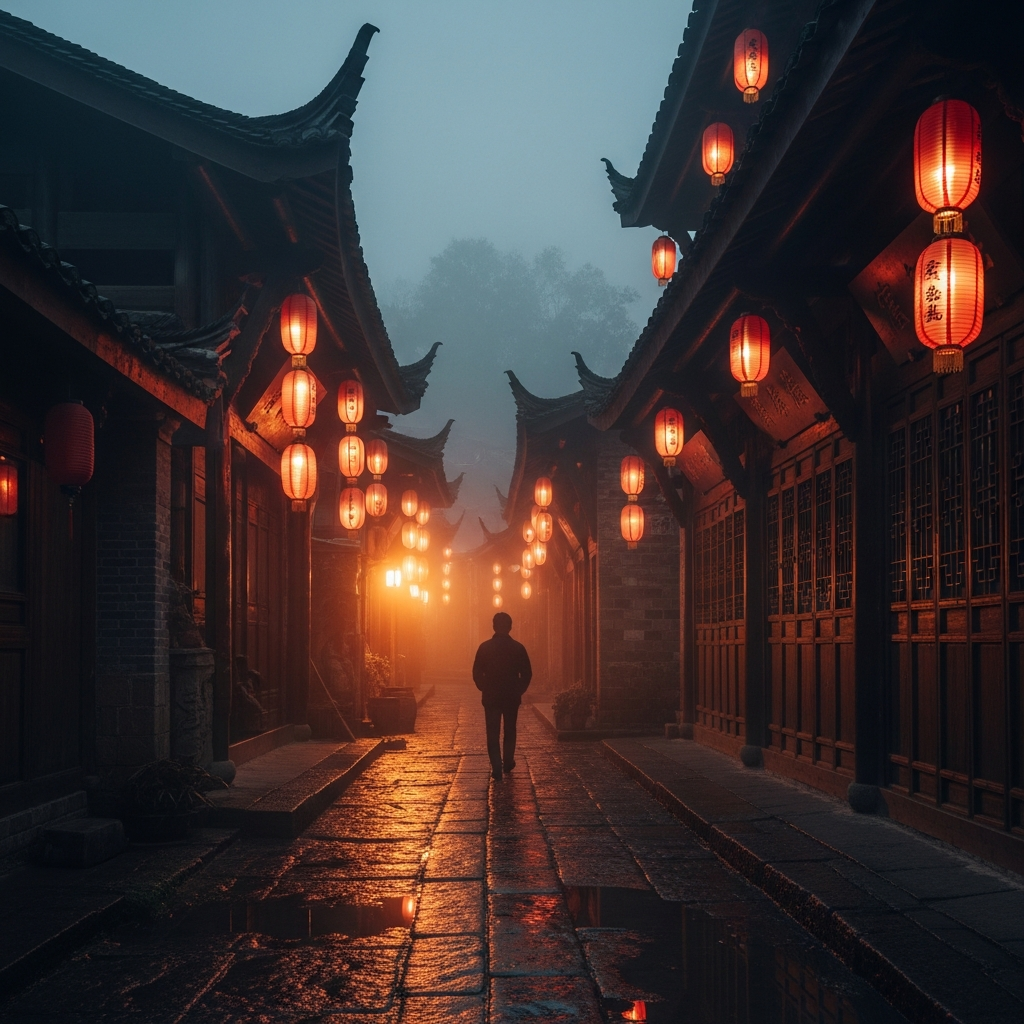
In China, there is a saying called ‘No spirits allowed after the Republic Era,’ which roughly means that after the Qing Empire collapsed and society entered modernization, there could no longer be legends about spirits, monsters, and such. It’s a poignant reflection on how our understanding of the unknown, and indeed our urban legends themselves, shifts with the times. It makes you wonder why we even bother with scary stories at all. What is their real purpose? I’ve come to understand that these tales, from ancient myths to modern horror films, aren’t just entertainment; they’re deeply ingrained survival tools, simulating danger to prepare us for the real thing. It’s like a neurological dress rehearsal, activating our fight-or-flight response in a safe environment, honing our instincts without actual peril.
Societal Pressures and the Evolution of Our Terrors
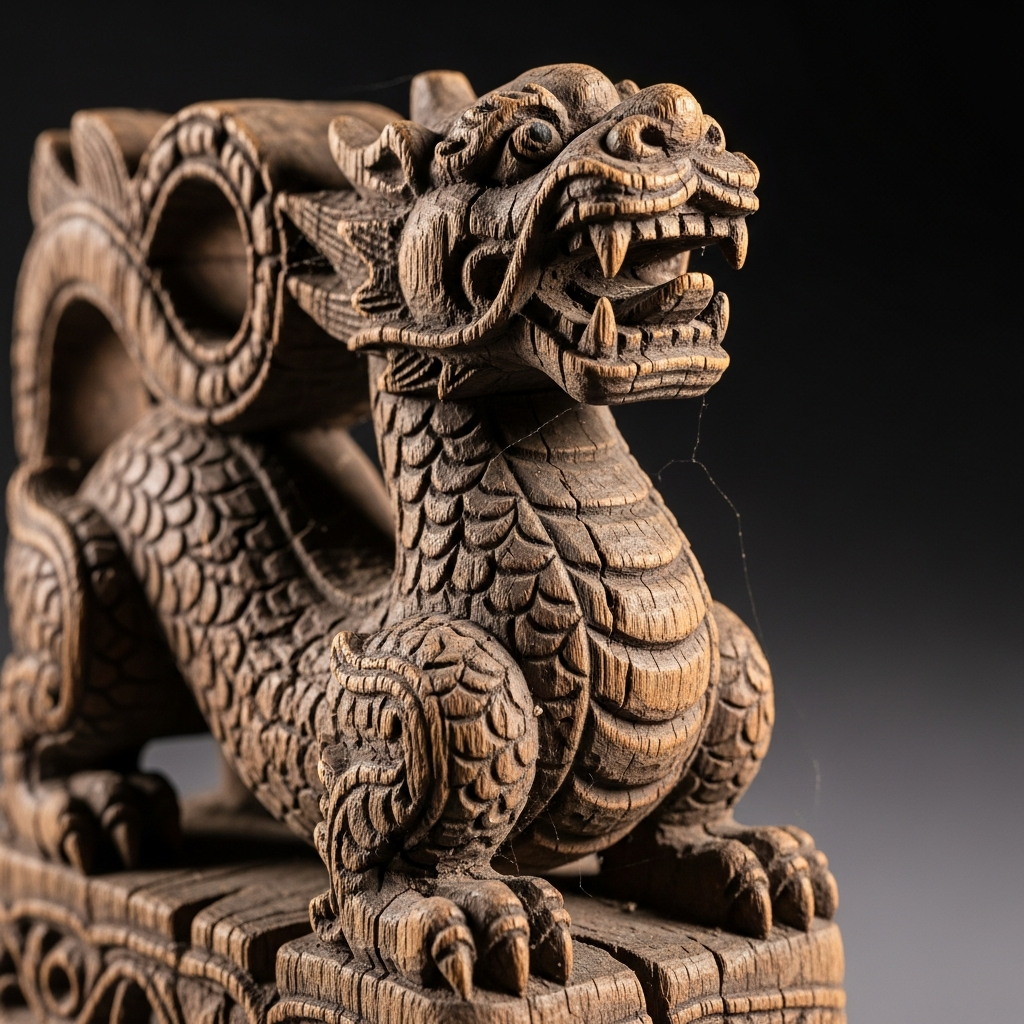
But then, even if you find these ancient beliefs clinging on in quiet corners, I’ve seen firsthand how in a high-pressure society, even if such legends exist, they can be easily made to disappear through official media or pressure. This societal molding of narrative is fascinating. And because of this, China’s ghost stories, which from very ancient times, such as the sprawling narratives in ‘Classic of Mountains and Seas’ and the intricate vignettes of ‘Strange Stories from a Chinese Studio,’ were primarily about animals and monsters, have transformed into stories about resentful deceased people, such as ghost brides. It’s a stark evolution, moving from external, natural threats to deeply personal, human-centric anxieties. This isn’t just a literary shift; it mirrors our deepest societal concerns, moving the source of our fear from the wilderness outside to the complex, often unseen, psychological struggles within our communities. The very definition of what scares us seems to be a constantly renegotiated contract with our environment and our collective psyche.
A Global Pattern of Evolving Horrors
You can see a similar thread when you consider the whole concept of legend tripping – that impulse to seek out the scary, to deliberately put ourselves in a position to feel that frisson of fear. In fact, it’s not just China; looking at legends worldwide, you can also find similar phenomena: from early ancient and tribal times, people’s legends were mostly about man-eating monsters, such as the famous Wendigo; later, in the agricultural era, people’s legends transformed into those causing drought or disease, and social exclusion, like rain rituals in various places, or vampire legends. Then, in the industrial age, people imagined technology running amok, giving us tales like Godzilla or alien invasions; and finally, in the internet age, worries about the collapse of social systems, giving rise to things like Resident Evil and zombies. This pattern is something researchers like those at ASIJ have explored, highlighting how the ‘allure of fear’ serves a continuous evolutionary role. This chronological progression isn’t just about what scares us, but why. The specific shape of the monster changes, but the underlying purpose remains.
| Era | Common Threats (East) | Common Threats (West) |
|---|---|---|
| Ancient/Tribal | Mythical beasts, animal spirits, nature’s wrath | Man-eating monsters (Wendigo), wild predators |
| Agricultural | Drought-causing entities, vengeful spirits, disease | Vampires, witches, crop failures, social ostracization |
| Industrial | Factory ghosts, supernatural retribution for social injustice | Frankenstein’s monster, technology gone rogue (Godzilla, alien invasion) |
| Modern/Digital | Internet curses, societal collapse, psychological horror | Zombies, AI gone sentient, privacy invasion, systemic breakdown |
The Core Mechanism of Fear & Our Modern Anxieties
It aligns with findings reported by Scientific American, suggesting a deep-seated reason for our attraction to horror. These simulated threats help us rehearse, training our psychological muscles. When faced with a scary story, our heart rate might jump by maybe 17%, our palms get sweaty, but it’s all in a controlled environment. We get the benefit of the stress response without the actual danger. It’s a similar drive to why some young people engage in paranormal games – testing boundaries, understanding fear, and perhaps feeling a sense of control over it. We’re constantly seeking to process the world’s dangers, both seen and unseen, through the lens of narrative.
The Psychological Evolution of Horror Narratives
This seems to some extent reflect the psychological evolution of people’s perception of horror stories; previously, people believed that animals and monsters were the sources of trouble and fear in their lives, but with technological advancement, people have instead turned more towards concepts of psychic abilities and superpowers in the afterlife. It’s a move from tangible threats to intangible anxieties, from the physical to the psychological, reflecting our changing understanding of power and vulnerability. This shift is quite well-documented in academic circles, including work presented in the Cambridge Handbook of Evolutionary Perspectives on Human Behavior, where scholars explore how horror media continually adapts to our evolving fears.
Future Fears: Digital Realms and Beyond
What does this mean for the future of scary stories? As technology advances, our fears evolve even faster. Virtual reality horror experiences are already pushing boundaries, creating immersive terrors that blur the lines between simulation and reality. What happens when AI can generate perfectly tailored fear content, hitting every personal trigger point? The stories won’t just reflect our anxieties; they might actively shape them in unprecedented ways. It’s the ‘Darwin & Dracula’ concept, as explored by some researchers, where the scary story adapts to us just as we adapt to it, as seen in ongoing discussions like those found at Darwin & Dracula. We’re standing on the precipice of a new era of fear, one where the boundaries of what is real and what is imagined become incredibly porous, making the simulated danger feel almost indistinguishable from actual peril.
An Enduring, Slightly Exhausting, Cultural Calibration
So, while the old spirits might no longer be ‘allowed’ in official narratives, the need for scary stories persists. We’re still trying to make sense of the world, rehearsing for its threats, even if those threats are now less about a physical beast and more about the disquieting implications of our own progress. It’s a heavy weight, this constant re-evaluation of what scares us, but it’s part of what keeps us adaptive, I suppose. A continuous, slightly exhausting, process of cultural and psychological calibration, as we adjust our internal defenses to the ever-changing dangers of the outside world. The stories we tell ourselves about fear are, after all, stories about survival.