Case File: The Harbinger of Point Pleasant
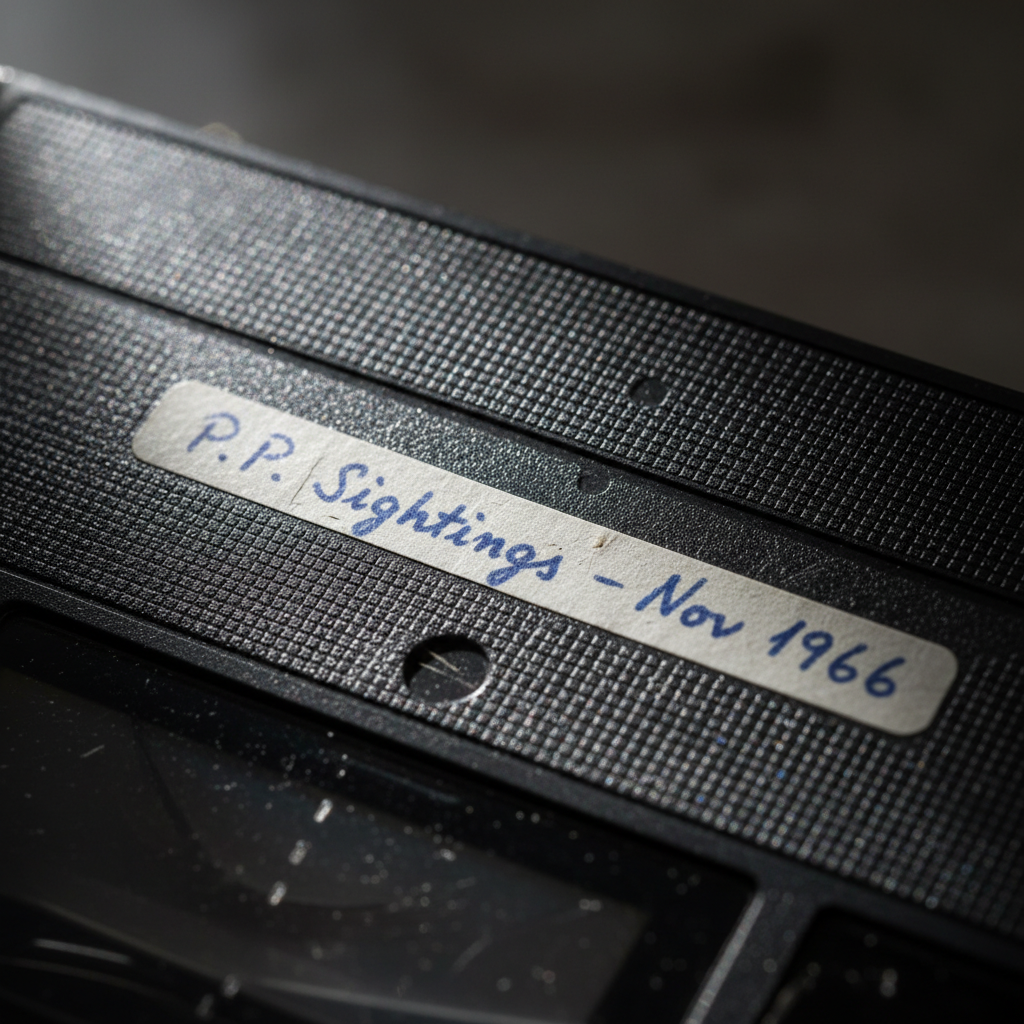
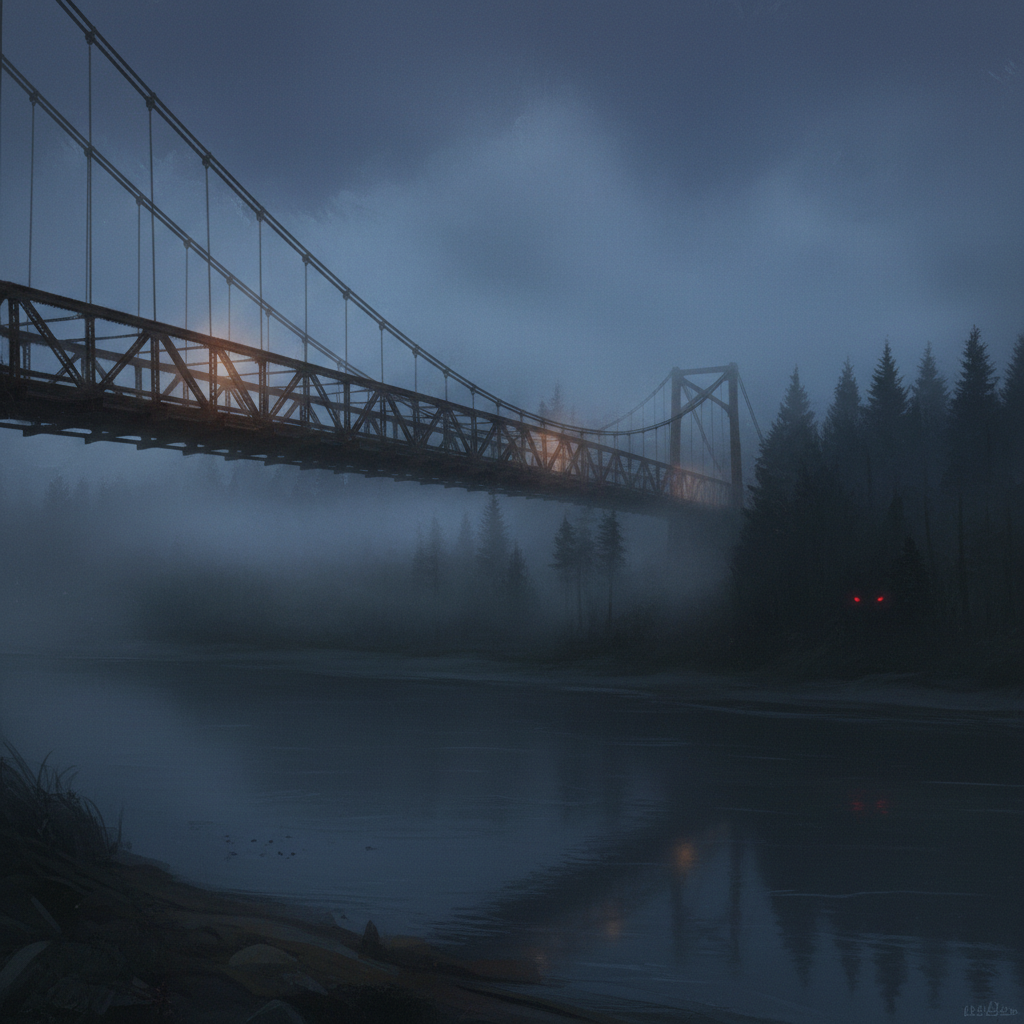
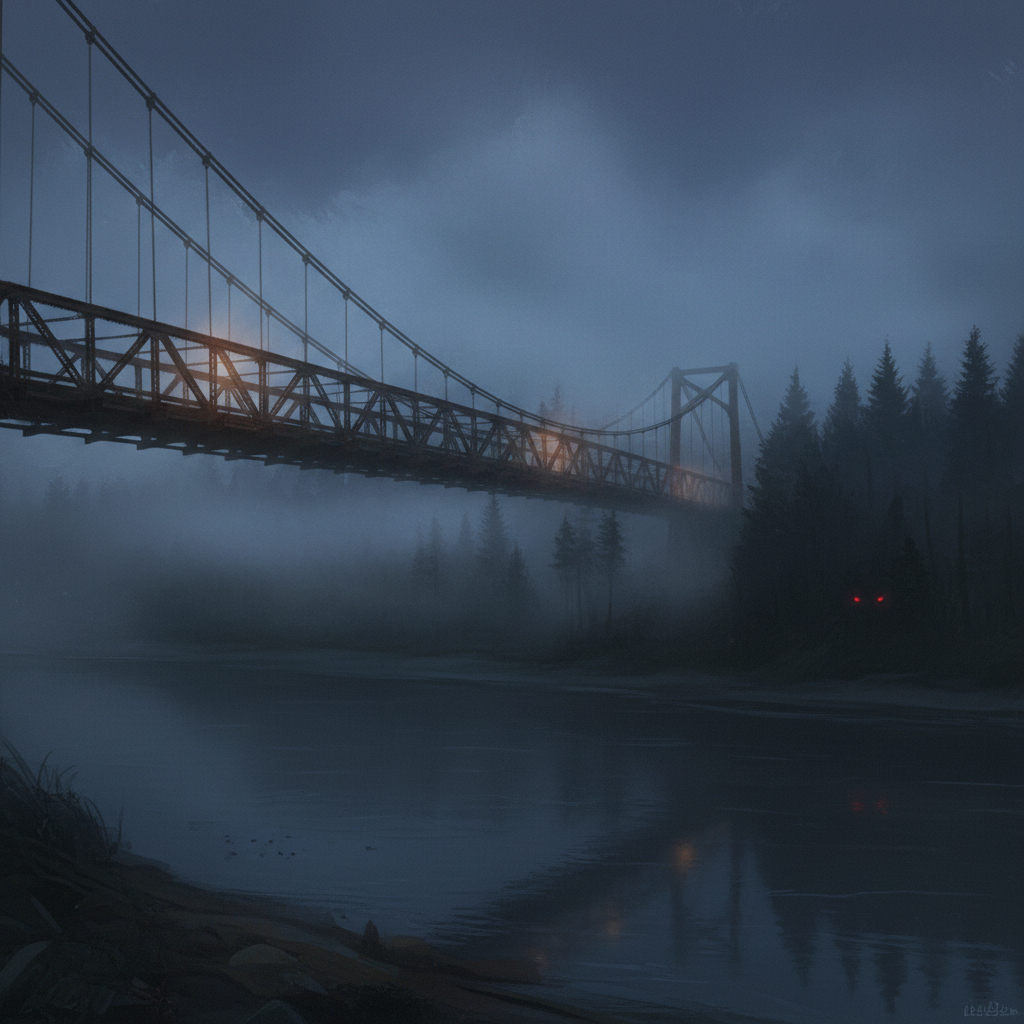
On November 15, 1966, in the hazy hinterlands of Point Pleasant, West Virginia, two young couples reported a terrifying encounter. They described a large, winged humanoid with glowing red eyes near an abandoned WWII munitions plant—a classic liminal space where industry and nature decay into one another. This was not an isolated incident. Over the next thirteen months, over 100 residents would report seeing the creature dubbed the “Mothman.” The flap culminated in tragedy on December 15, 1967, when the Silver Bridge collapsed, killing 46 people. Instantly, the Mothman was transformed. It was no longer just a monster; it was an omen, a harbinger of doom. This singular case provides a perfect specimen for dissecting the profound cultural impact of cryptozoology. It’s a legend that crawled from the analog dread of the Cold War era and mutated into a digital specter, proving that our need for monsters is as persistent as our fear of the unknown. The Mothman legend is a blueprint for how a localized anomaly becomes a global cultural artifact, influencing everything from local identity to blockbuster films.
From Regional Terror to Digital Archetype
The evolution of the Mothman mirrors the evolution of media itself. Initially, it was a creature of local newspapers and word-of-mouth, a regional boogeyman confined to the Ohio River Valley. Its narrative was shaped by the anxieties of its time: the nearby munitions plant evoked fears of Cold War technology and environmental contamination—a potential biological explanation for cryptid sightings that resonated with a populace living under the shadow of the bomb. In this ‘old’ context, the cryptid served as a focal point for communal fear, a shared story that bound a community together against an external, inexplicable threat. Fast forward to the internet age. The Mothman was resurrected not as a local legend, but as a digital one. It became a fixture in Creepypasta forums, YouTube documentaries, and Reddit threads, its story retold and remixed for a new generation. This ‘new’ Mothman is less about a specific place and more about a universal feeling. As analyzed in The Global Encyclopedia of Urban Legends, its role as a harbinger of disaster became its primary trait, attaching itself to events like Chernobyl or 9/11 in online lore. This transition highlights a key difference in the cultural function of cryptids. Where traditional folklore was geographically anchored, digital folklore is memetically fluid. The Mothman ceased to be solely West Virginia’s monster and became an archetype within the collective unconscious of the internet—a symbol of impending, large-scale disaster that we feel powerless to prevent. Its story demonstrates how a cryptid’s cultural impact shifts from communal bonding to a more isolated, globalized anxiety.
The Crypto-Economy: Monetizing a Modern Myth
A legend’s cultural weight can often be measured by its economic footprint. Point Pleasant, once the site of a tragedy, has successfully commodified its monster. The town is now home to the Mothman Museum, an annual Mothman Festival that draws thousands of tourists, and a striking chrome statue of the creature. This is the tangible, real-world impact of a cryptid. The town embraced its monster, turning a narrative of fear into a cornerstone of its identity and economy. This phenomenon is not unique. From the Nessie-centric tourism industry around Loch Ness to the Bigfoot merchandise that populates gas stations across the Pacific Northwest, cryptozoology is big business. As documented by researcher Sharon A. Hill, there is a clear trend of Pop Goes the Cryptid, where folklore is processed into easily consumable entertainment. Television shows like *Mountain Monsters* or *Finding Bigfoot* thrive on the performance of the hunt, not the discovery itself. The cultural impact here is twofold. On one hand, it keeps the legends alive, embedding them deeper into popular culture. On the other, it sanitizes them. The terrifying, existential dread of the original Mothman sightings is replaced by a fun, festival-friendly mascot. This creates a fascinating tension: the belief in these creatures provides a psychological release, a way to frame our anxieties in a monstrous form, yet their commercialization turns that deep-seated fear into a marketable product. The monster becomes both a symbol of our deepest fears and a T-shirt slogan.
The Future of Fear: AI, Algorithms, and Algorithmic Cryptids
The digital realm that amplified the Mothman’s legend is now poised to create its own monsters. The future cultural impact of cryptozoology will be shaped by algorithms and artificial intelligence. We are entering an era where the lines between organic folklore and synthetic lore are blurring. Consider the rise of Slender Man, a creature born entirely on a forum, demonstrating that a monster no longer needs a history of physical sightings to achieve cultural saturation. The next generation of cryptids may be born from AI image generators, their ‘evidence’ indistinguishable from reality, creating an Uncanny Valley of fabricated fauna. These digital-native creatures will reflect distinctly modern anxieties. A cryptid born from fears of climate change might be an entity formed from plastic waste in the ocean or a spectral figure seen in wildfire smoke. Social media algorithms are already creating powerful feedback loops, curating content that reinforces belief systems and accelerating the spread of new legends from niche forums to the global mainstream in a matter of hours. The distinction between cryptids vs urban legends differences becomes almost irrelevant when a narrative’s spread is governed by engagement metrics rather than eyewitness testimony. The new gatekeepers of folklore are not village elders, but recommendation engines. The Mothman was a harbinger of physical disaster; the next great cryptid may be a harbinger of digital or existential collapse, its red eyes replaced by the cold, unblinking lens of a camera that is always watching.
Investigator’s Action Checklist
The study of these modern myths is not a passive activity. It requires a critical eye and an open mind. To deepen your understanding of the cultural forces at play, consider the following actions:
- Document Your Local Legend: Every community has its own ‘Mothman’ or ghost story. Research its origins. Interview local historians or long-time residents. Map its evolution and see how it reflects your community’s unique history and fears. Use online resources like the local legends of cryptids map as a starting point.
- Perform a Media Autopsy: The next time you watch a paranormal investigation show or read an online account, analyze its structure. What emotional beats does it hit? How does it build suspense? Differentiate between the presentation of alleged evidence and the narrative being constructed around it.
- Trace a Digital Myth’s Genesis: Pick a modern internet legend (e.g., Siren Head, The Backrooms) and trace it back to its source. Identify the platform where it originated (like 4chan, Reddit, or a specific artist’s page) and track how its lore was collectively built and mutated by the community.
- Analyze the Anxiety: Look at a popular cryptid and ask: What societal fear does this creature personify? Is Bigfoot a manifestation of our anxiety about the disappearing wilderness? Is the Chupacabra a symbol of economic or biological insecurity? Understanding the underlying fear is key to understanding the monster.
- Visit a ‘Haunted’ Tourist Spot: If possible, visit a place that has monetized its myth, like Point Pleasant or Loch Ness. Observe the dynamic between genuine local history, belief, and commercial enterprise. Notice how the narrative is packaged for consumption.