The Mandela Effect Origin: Not a Glitch in Reality, but a Death Many People Remember That Never Happened
The origin story is about a funeral nobody attended
The Mandela effect gets its name from a death that did not happen. According to Simply Psychology, paranormal researcher Fiona Broome coined the term in 2009, after she found that other people remembered the same thing she did: that Nelson Mandela, South Africa's Black leader, had died in prison in the 1980s. Some sources give 2010, which is likely when the idea spread, so treat the exact year with a little caution. It sits comfortably among the stories we file under digital folklore, because it only took off once the internet let strangers compare notes.
The record is plain. Mandela was released from prison in 1990, served as President of South Africa from 1994 to 1999, and died in 2013. People who "remembered" his death in the 1980s also described news coverage and a speech by his widow, which makes it sound less like a vague slip and more like a scene they had watched.
Mandela effect is one of the best-known names in popular psychology, but I should say what it is not. It is a pop-culture label for shared false memories, not a diagnosis or a formal finding, and Britannica has an entry with the definition and origin if you want a second source. That is a useful frame for everything below.
Why a shared mistake is scarier than a personal one
If only one person misremembers something, nobody loses sleep over it. That is just a mistake. What makes this one different, and I think the real source of the dread, is that it is collective. The people who got it wrong may be the majority, and being in the majority is exactly what makes a memory feel safe.
I find it helps to separate the two ideas that get mashed together. One is false memory, which is ordinary and well documented. The other is the suggestion that a whole group has slipped into a different version of reality, which is the story the internet prefers. The article I trust most on this lists alternate-universe explanations as untestable and unsupported, and I agree with that, even though the story is more fun.
Two examples you can check right now
Two of the most famous examples are small ones. Does Pikachu's tail have black stripes or a black tip? Does Mickey Mouse wear suspenders? If you answered yes to both, congratulations: you have just walked into the Mandela effect yourself, and you are in large company.
| Memory | What many people recall | What the record shows |
|---|---|---|
| Nelson Mandela | Died in prison in the 1980s | Released 1990, president 1994 to 1999, died 2013 |
| Pikachu | A black tip on the tail | The tail is yellow; the black is on the ears |
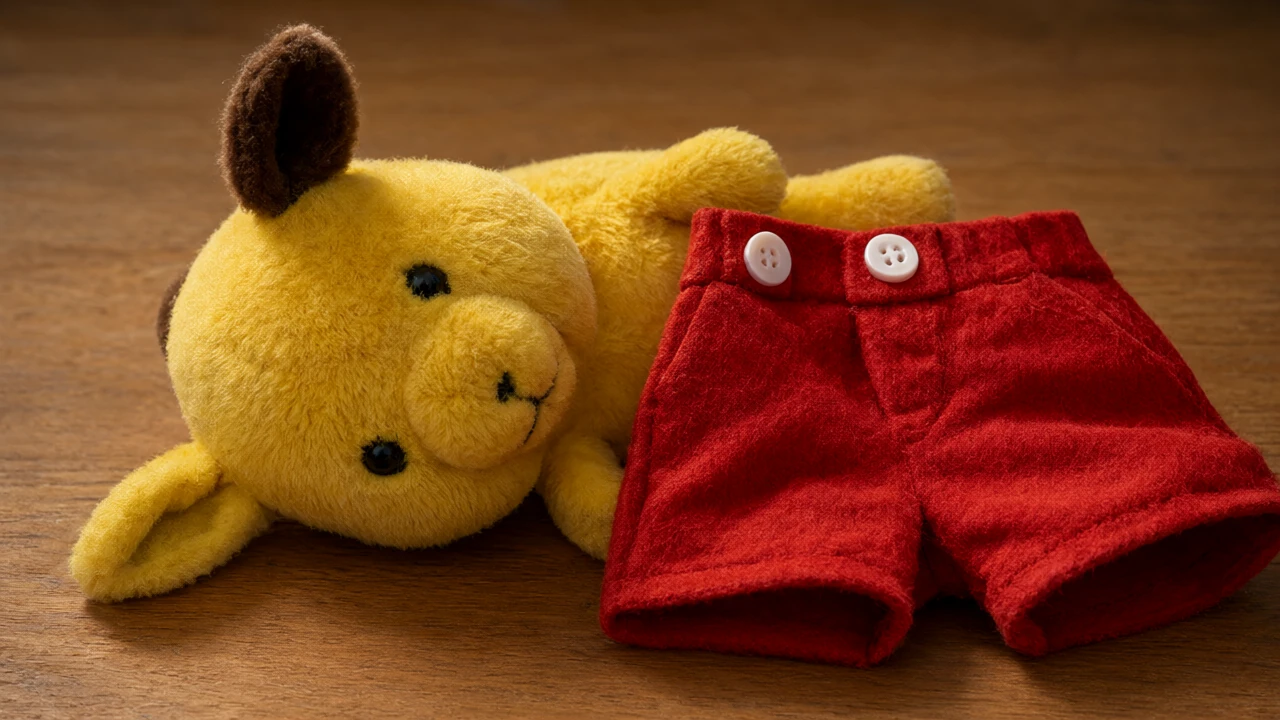
| Mickey Mouse | Suspenders | Shorts held with buttons, no suspenders |
| Monopoly Man | A monocle | No monocle |
The Monopoly Man is the example that explains the most, because Simply Psychology uses it to illustrate how a schema works: a monocle fits the picture our heads hold of a formal tycoon, so we paint it in. The explanation behind that idea goes back to Bartlett's 1932 schema theory. Confabulation, the filling of gaps with details that feel right, covers much of the rest. Neither needs a parallel universe.
The film that was doing this before the name existed
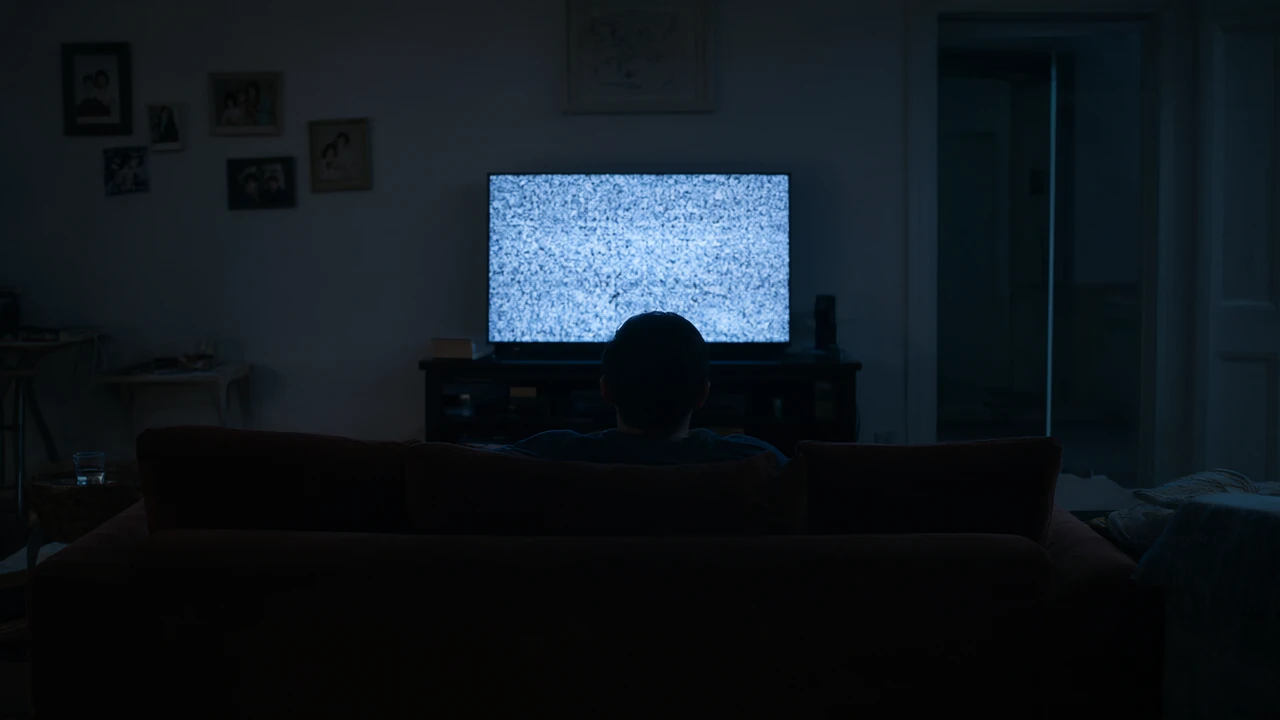
In film and games, the Mandela effect usually shows up as one situation: everyone else remembers things differently from you, and you have to decide which side to believe. It is a state of self-doubt rather than a monster, and that is why it works on screen.
Besides the films that borrow the name, the one that stays with me is Flightplan, called 空中危機 in Chinese. In the 2005 thriller, Jodie Foster plays Kyle Pratt, who wakes on a flight and finds her daughter Julia gone, while the crew insists there is no record Julia ever boarded. Strictly speaking, it isn't a Mandela effect story. Julia turns out to be real, and the film came out years before anyone used the term, so nobody described it that way at the time.
Even so, I think the middle stretch is a fair picture of the feeling. A mother starts to doubt whether she really brought her daughter on board because everyone around her remembers it differently. Looking back years later, that is the part I would call a Mandela effect, and it is the part I couldn't shake.
Where I land on it
I think the origin matters less than the reaction. Rumours and shared memories spread by the same mechanics we see in mass hysteria, and a lot of what we remember from the early web is already gone, as the piece on lost media shows. A memory that nobody can check is easy to share and hard to correct.
So when the next one finds you, and it will, check the record first. If the record says you were wrong and a crowd was wrong with you, that is a story about how memory is built, not proof that something is hiding the truth. It is still unsettling. I just think it is unsettling in a way a person can live with.